

Credit: Andrey Matveev / Pexels
Speed Differences Between DDR4 and DDR5
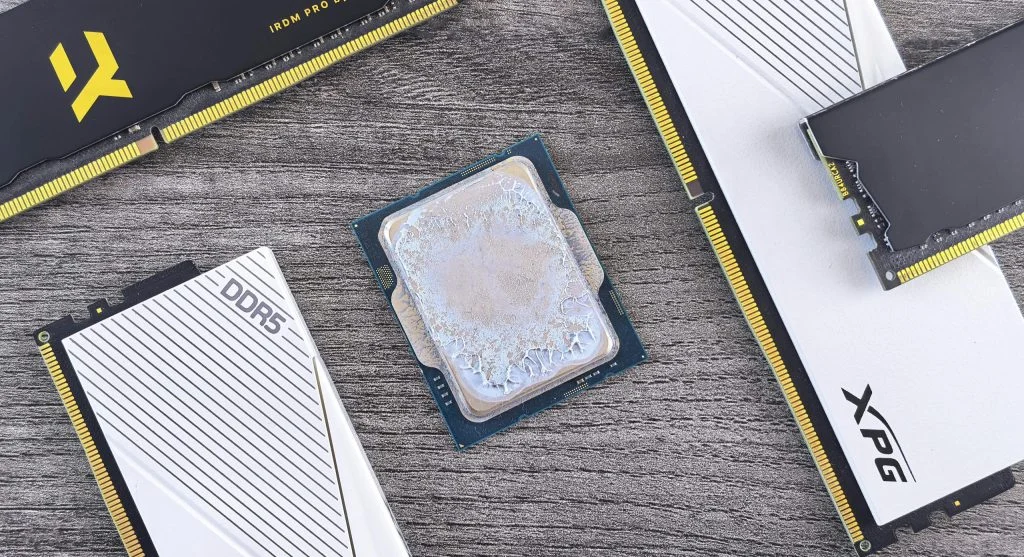
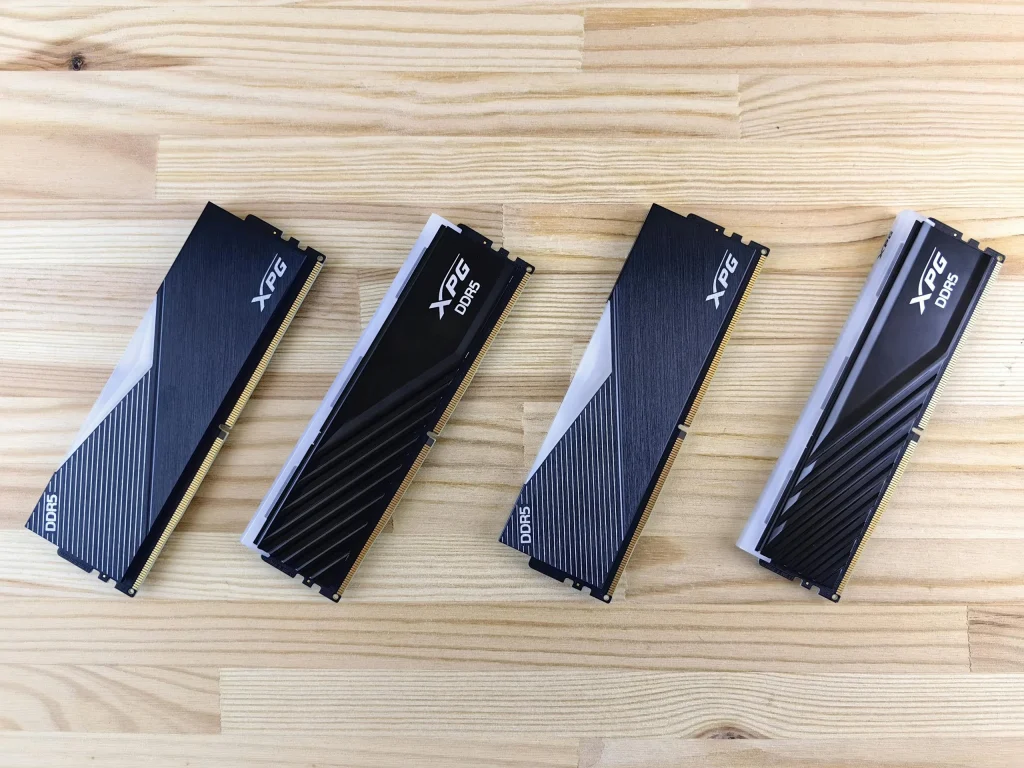
Speed is one of the main differences in DDR4 vs DDR5 RAM. DDR5 offers higher data transfer rates than DDR4, which can help improve overall system performance.
Experts explain that faster RAM can make a computer feel more responsive and support smoother multitasking.
DDR4 still works well for many everyday tasks, such as browsing, office work, and basic use. However, DDR5 can deliver better performance in more demanding applications.
Power Efficiency and Performance
Power efficiency is another important difference in DDR4 vs DDR5 RAM. DDR5 is designed to use less power compared to DDR4.
Technology specialists note that better efficiency can help reduce heat and improve system stability.
This can be especially useful for laptops and systems where energy use matters.
Credit: Marta Branco / Pexels
Compatibility and System Support
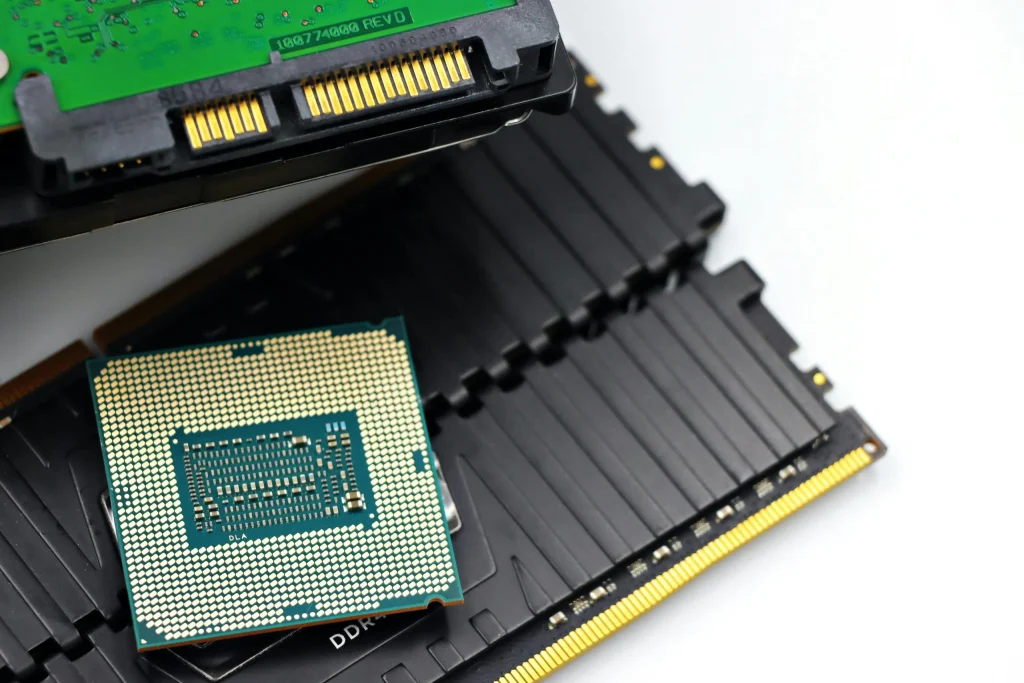
Compatibility is an important factor when choosing between DDR4 vs DDR5 RAM. A motherboard usually supports only one type of RAM, so users cannot simply switch between the two without checking system support.
Experts explain that DDR5 requires newer motherboards and compatible CPUs, while DDR4 is designed for many older systems.
Users should always check motherboard and processor compatibility before upgrading.
Price and Value Comparison
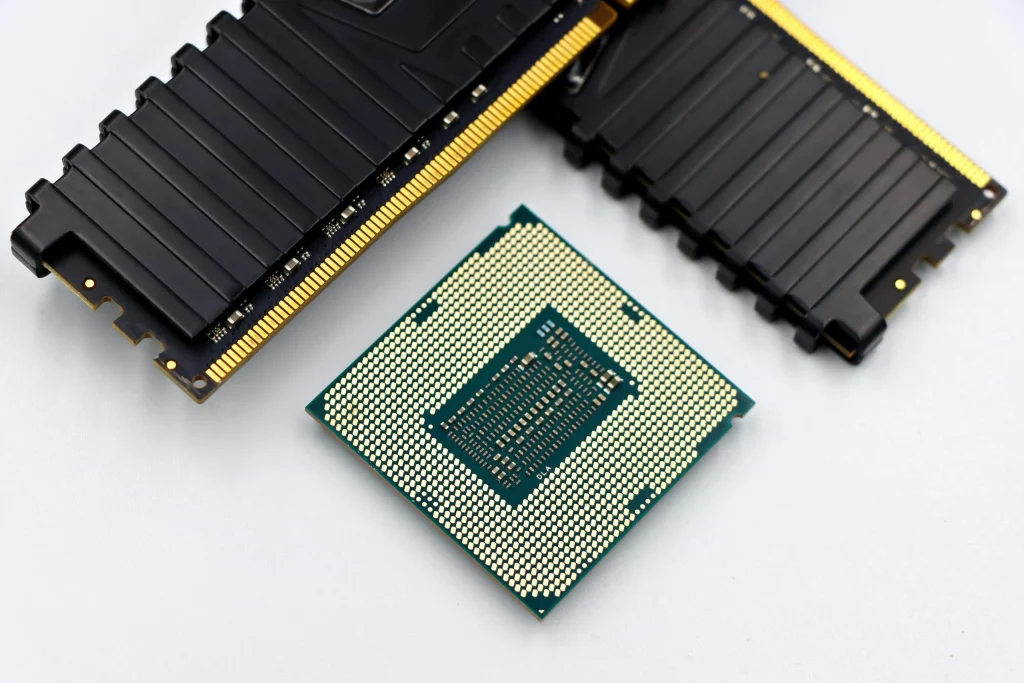
Price is another key point in DDR4 vs DDR5 RAM. DDR4 is usually more affordable than DDR5, which makes it a practical choice for many users.
Technology analysts note that DDR5 can offer better performance, but it often comes at a higher cost.
The right choice depends on the user’s budget, system compatibility, and performance needs.
Credit: Marta Branco / Pexels
Frequently Asked Questions
Q: Is DDR5 better than DDR4?
A: DDR5 offers higher speed and efficiency, but DDR4 is still suitable for many users.
Q: Can I use DDR5 in a DDR4 motherboard?
A: No, motherboards support only one type of RAM.
Q: Does DDR5 improve gaming performance?
A: It can improve performance in some cases, especially with modern systems.
Q: Is DDR4 still worth buying?
A: Yes, DDR4 is reliable and cost-effective for many systems.