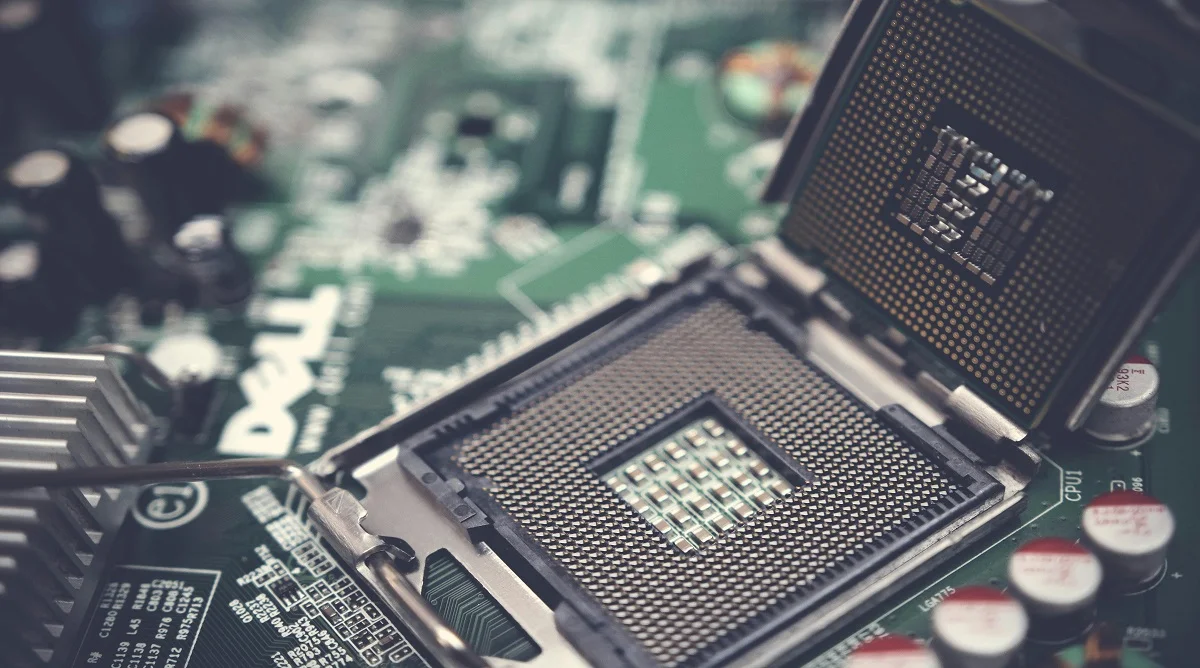
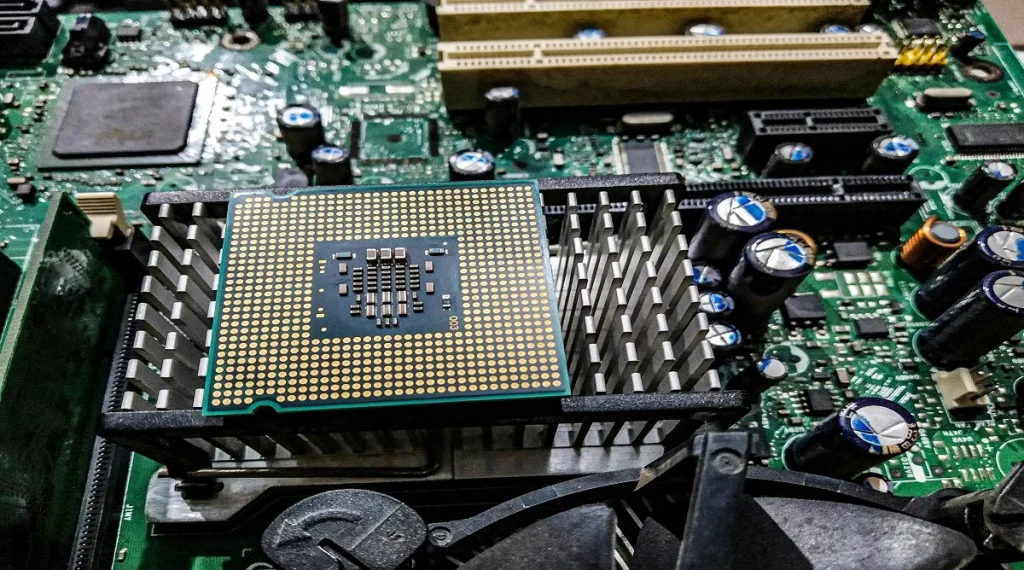
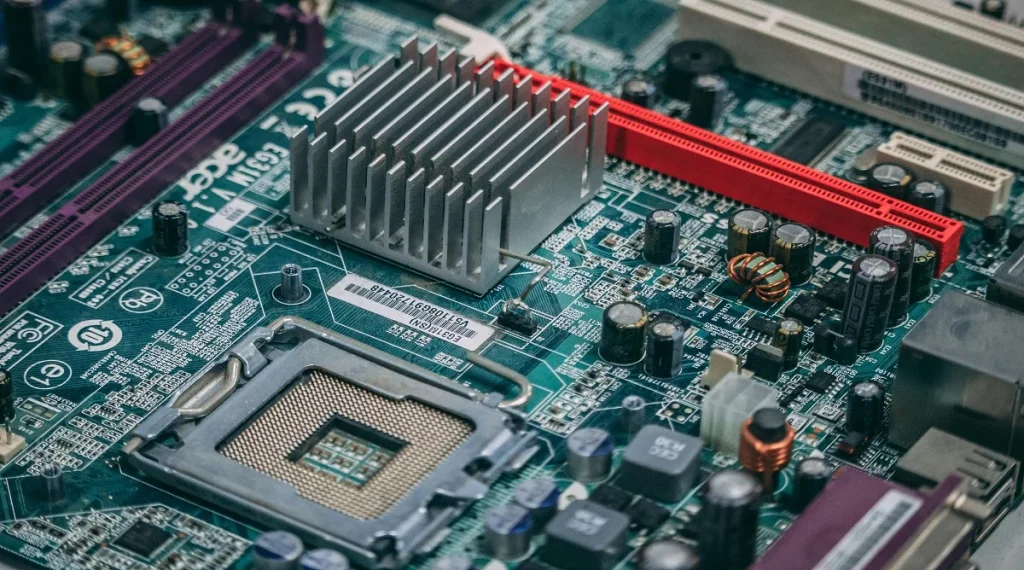
Understanding what a CPU is can help anyone make better sense of how a computer works. The CPU is the core component that controls how tasks are processed and how the system performs. It plays a major role in speed, responsiveness, and overall behavior.
Technology experts often describe the CPU as the brain of the computer. It processes instructions, runs programs, and keeps everything working together smoothly. Without it, a computer simply cannot function.
What Is a CPU and Why It Matters
CPU stands for Central Processing Unit. It’s the part of the computer responsible for handling instructions from both programs and the operating system. Almost every action—opening a file, running an app, or browsing the internet relies on the CPU.
Computer engineers explain that the CPU manages the flow of data throughout the system. It communicates with memory, storage, and other components to complete tasks. In general, a faster CPU can lead to better overall performance.
To better understand what a CPU is, it helps to look at how it actually works. The CPU follows a process known as the instruction cycle, which includes fetching, decoding, and executing instructions.
First, the CPU fetches an instruction from memory. Next, it decodes that instruction to understand what needs to be done. Finally, it executes the task, such as performing a calculation or moving data.
Hardware specialists explain that this cycle happens millions or even billions of times every second. That speed is what allows modern computers to handle tasks quickly and efficiently.
Main Parts of a CPU Explained
A CPU is made up of several important components that work together to process information. Each part plays a specific role.
The control unit manages operations within the CPU, directing other components on what to do. The arithmetic logic unit (ALU) is responsible for calculations and logical operations.
The CPU also includes registers, which are very small, fast storage areas. These hold temporary data while tasks are being processed. Experts often point out that all these parts work together to keep the system running smoothly.
CPU speed is measured in gigahertz (GHz), which indicates how many cycles the processor can complete each second. In general, a higher speed can lead to faster performance.
However, experts point out that speed alone doesn’t determine how well a CPU performs. Other factors, such as the number of cores and the size of the cache, also play an important role.
Modern processors often include multiple cores, allowing them to handle several tasks at once. This is especially useful for multitasking and running demanding applications.
Common Types of CPUs in Modern Devices
Different types of devices use CPUs designed for specific needs. Desktop computers, laptops, and mobile devices each rely on processors built with different priorities.
Desktop CPUs are typically designed for maximum performance. Laptop CPUs aim to balance speed with energy efficiency. Mobile processors focus on conserving battery while still supporting everyday tasks.
Technology analysts explain that choosing the right CPU depends on how the device will be used. Tasks like gaming or video editing usually require more powerful processors.
Signs Your CPU May Be Slowing Down
Understanding what a CPU is can also help you recognize performance issues. When the CPU struggles, the entire system can feel slower.
Common signs include slow program loading, lag during multitasking, and occasional system freezes. Hardware experts note that this can happen when the CPU is overloaded or no longer keeps up with modern software demands.
Regular maintenance—such as keeping software updated and ensuring the system stays clean—can help maintain performance.
Frequently Asked Questions
Q: What is a CPU in simple words?
A: A CPU is the main part of a computer that processes instructions and runs programs. It controls how the system works.
Q: How does a CPU affect computer speed?
A: The CPU handles tasks and instructions. A faster CPU can process more data quickly, improving overall performance.
Q: Is CPU the same as a processor?
A: Yes, CPU and processor refer to the same component. Both terms describe the unit that runs instructions in a computer.
Q: Can a computer work without a CPU?
A: No, a computer cannot function without a CPU. It is essential for running all operations.
Key Takeaway
“What is a CPU?” is a common question for beginners, and the answer is straightforward. The CPU is the brain of a computer, responsible for processing instructions and controlling operations. Its speed and design have a direct impact on overall system performance. Understanding how a CPU works helps users make better decisions when using or upgrading their computers.