

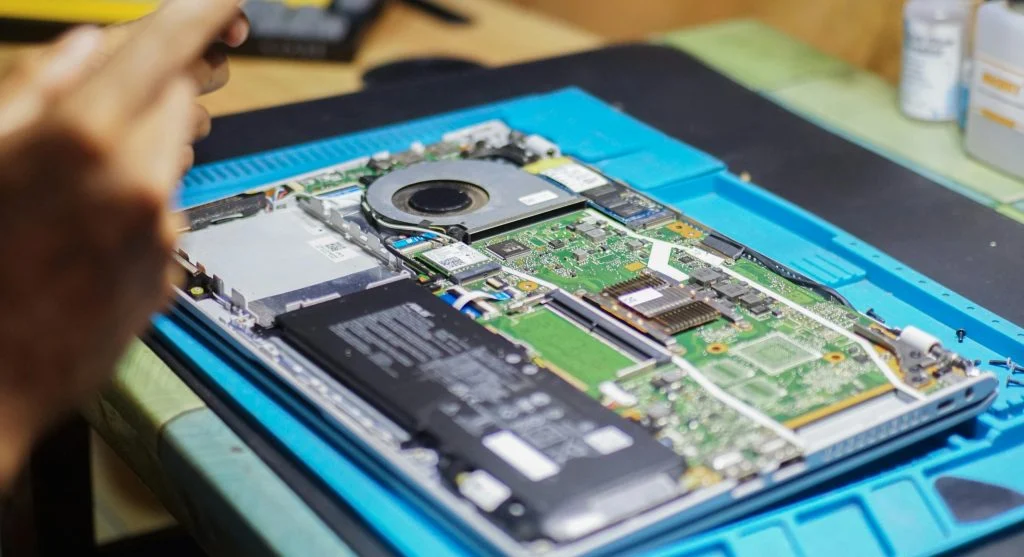
Before learning how to improve PC performance, it helps to understand why systems slow down. Over time, files, programs, and background processes build up.
Hardware specialists note that limited resources and outdated software can affect speed. Regular maintenance helps keep systems running smoothly.
1. Close Unnecessary Background Programs
Many programs run in the background without notice. These use memory and processing power.
Experts recommend closing unused applications to free up resources. This can improve system responsiveness.
2. Clean Temporary Files Regularly
Temporary files build up over time and take up storage space. This can slow down system performance.
Technology analysts suggest clearing temporary files to maintain efficiency.
3. Disable Startup Programs
Startup programs load when the computer turns on. Too many programs can slow down boot time.
Experts advise disabling unnecessary startup items to speed up system startup.
4. Keep Your System Updated
Software updates improve performance and fix bugs. Outdated systems may run slower.
Experts recommend updating the operating system and applications regularly.
5. Adjust Visual Effects
Visual effects can make systems look better but may reduce performance. Reducing these effects can improve speed.
Experts note that disabling animations helps systems run more efficiently.
6. Scan for Malware and Threats
Malware can slow down systems by using resources in the background. It can also cause unexpected behavior.
Security experts advise running regular scans to detect and remove threats.
7. Restart Your Computer Frequently
Restarting clears memory and resets processes. This can help improve performance.
Experts suggest restarting systems regularly to maintain efficiency.
Frequently Asked Questions
Q: Can I improve PC performance without upgrading hardware?
A: Yes, simple steps like cleaning files and managing programs can improve performance.
Q: Does restarting improve performance?
A: Yes, restarting clears temporary data and refreshes system processes.
Q: How often should I clean my PC?
A: Experts recommend regular cleaning every few weeks.
Q: Do updates help speed?
A: Yes, updates often include improvements that enhance performance.
Key Takeaway
Learning how to improve PC performance without upgrading hardware helps maintain speed and efficiency. Simple actions like managing programs, cleaning files, and updating systems can make a noticeable difference. Regular maintenance keeps computers running smoothly over time.