If you’re gardening at home, being clear on which jobs need doing and when is probably the best way to get yourself organised. In areas with normal seasonal changes (USDA zones 4 to 8), the year for growing things has a pattern: preparing the soil, putting plants in, looking after them, collecting what you’ve grown, and letting the ground recover. But what exactly you do and the best time to do it will change as each month goes by. A good monthly plan gets rid of having to guess and rush around at the last minute, which causes you to miss chances to plant, forget to do important maintenance, and ultimately get a lower yield.
This guide breaks down the year month by month for gardeners in temperate climates. However, you’ll need to adapt the actual dates to your area, because the first and last frosts of the year can happen weeks apart, even in the same zone, depending on how high up you are, how close you are to water, and small differences in climate.
January and February: Plan, Order, Prepare
Winter, when the garden is resting, is the perfect time to go over what you wrote about last year’s garden. You can plan how your flowerbeds will look, get seeds from catalogues and check what tools and supplies you have. When it comes to seed packets, sort them by the month you intend to plant. By the end of February, things that are slow to start growing like onions, leeks and celery can be begun inside with grow lights. These in particular are inside for a really long time – a typical ten to twelve weeks before they are planted in the ground.
March: Indoor Seed Starting Begins in Earnest
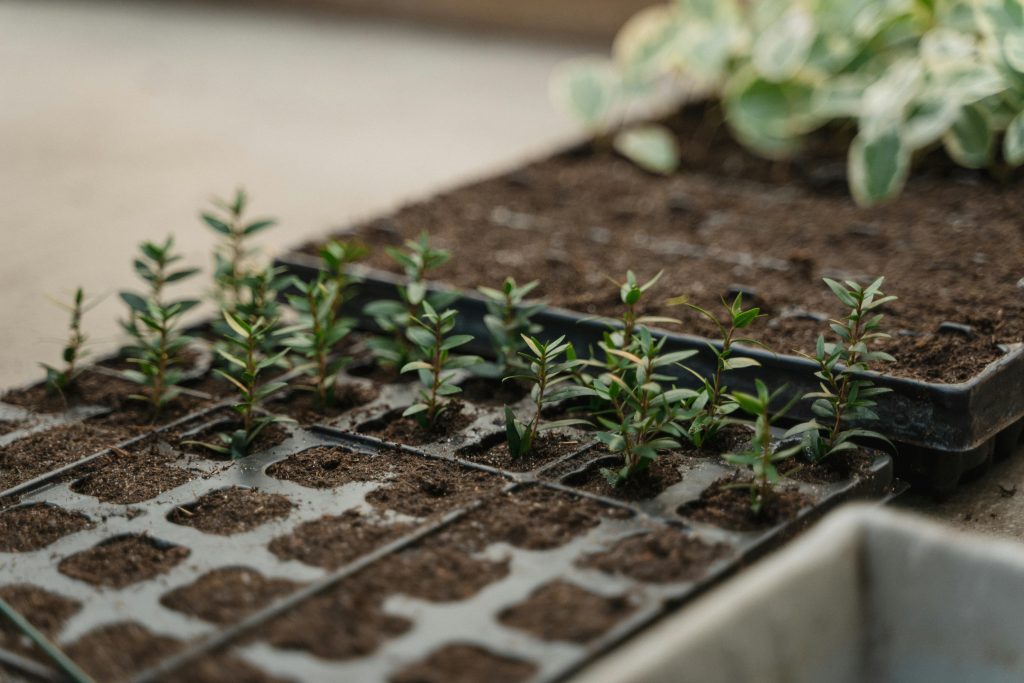
For many gardeners in zones 5 to 7, March is when you really begin starting seeds inside. You’ll want to get tomatoes, peppers, eggplants going indoors six to eight weeks before the last frost of spring is likely to happen. Broccoli, cabbage, and kale are good to begin from seed inside at the same time, and then you’d put them in the garden in late April or early May. Outside, you can take the covers off your garden beds and let the sun warm things up. And when the soil isn’t frozen, and a soil thermometer says it’s over 40°F, you can plant peas, spinach, lettuce, radishes, and other things that can handle the cold, directly in the ground.
April: The Transition Month
April is when you’re doing the most with plants that like cooler weather. You can keep sowing lettuce, spinach, radishes, carrots… in fact, you can plant some every fortnight. Now is the time to get onion sets and young plants in the soil and put the potatoes in. About two weeks before the final frost is predicted, you need to start to toughen up seedlings you’ve grown inside. This means slowly getting them used to being outside, for a little longer each day. Also, your garden beds should get a yearly helping of compost, and you ought to check and fix any problems with your watering system before you actually need it.
May: Warm-Season Planting
When you’re sure there won’t be any more frost, you can put tomato, pepper, eggplant, squash and cucumber plants in the garden. Once the soil gets to between 60 and 65 degrees, you can plant bush beans, corn, and basil right into the ground. Once the soil is nice and warm, put a layer of mulch around those plants you’ve transplanted. It’s best to put up plant supports like cages, stakes, or trellises at the same time as planting; you don’t want to mess with their roots later. And now’s when to start planting short-growing things like lettuce and radishes at intervals, so you can keep picking them all summer.
June and July: Maintain, Harvest, Replant
When you’re sure there won’t be any more frost, you can put tomato, pepper, eggplant, squash and cucumber plants in the garden. Once the soil gets to between 60 and 65 degrees, you can plant bush beans, corn, and basil right into the ground. Once the soil is nice and warm, put a layer of mulch around those plants you’ve transplanted. It’s best to put up plant supports like cages, stakes, or trellises at the same time as planting; you don’t want to mess with their roots later. And now’s when to start planting short-growing things like lettuce and radishes at intervals, so you can keep picking them all summer.
August: The Second Planting Season
As we’ve covered in another article in this set, August is really the make-or-break month for your fall garden. Plant lettuce, spinach, kale, radishes, turnips, beets, carrots, peas, cilantro directly in the ground to get a fall harvest. Also, put out broccoli, cabbage, and cauliflower that you started from seed in July. Now is the time to order garlic and bulbs for flowers in the spring that you’ll plant in the fall. Don’t stop picking your summer vegetables; the more you harvest, the more they’ll keep producing. And, collect seeds from the plants that have done the best. Finally, trim your herbs to get a lot of new growth to use in the fall.
September and October: Harvest, Protect, Prepare
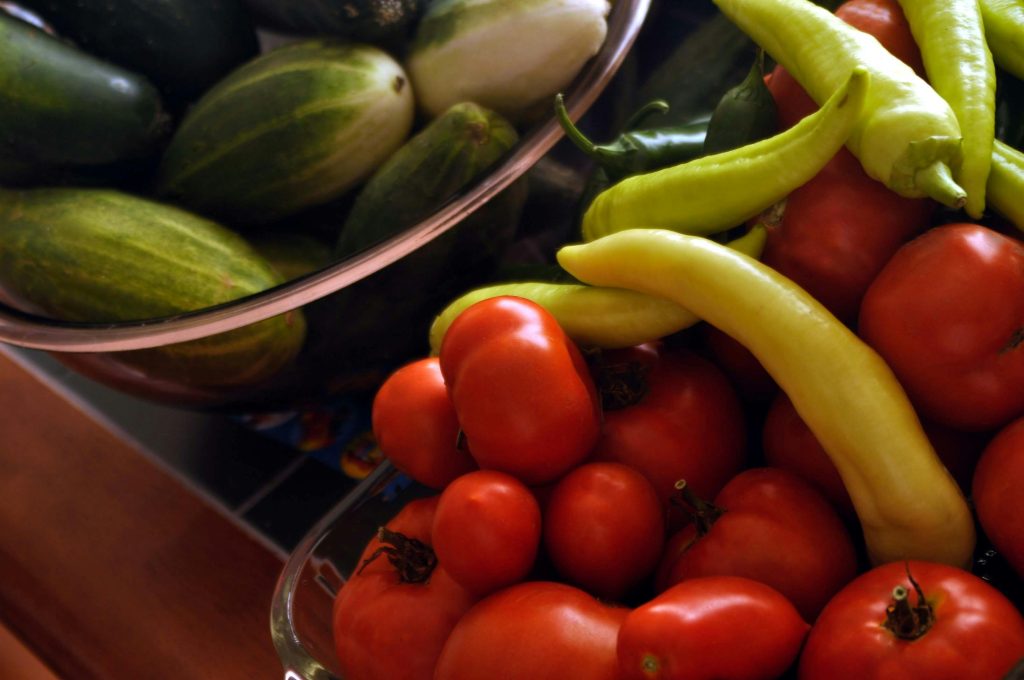
The fall harvest is at its best right now, with things like root vegetables, winter squash, and tomatoes that are still growing before the first frost. Once a light frost has killed off plants that are easily damaged, get rid of the plants that are finished and add any healthy parts to your compost pile. About a month or six weeks before the ground gets frozen, plant garlic bulbs. For garden beds that are now empty, either put down a thick layer of winter mulch or plant a cover crop. If you have plants that can withstand some cold and are still giving you food, you can use row covers or cold frames to help them last longer. Also, move potted plants that will be harmed by frost inside.
November and December: Rest, Reflect, Plan
As the ground gets to freezing, most gardening outside stops. However, if the winter isn’t too harsh, you can sometimes still get lettuce, spinach, kale from cold frames or low tunnels. You need to clean your tools, sharpen them, and put them away. And, to stop them from breaking with the cold, you should drain your watering systems. Around December, seed catalogues will start to be delivered, which is when you begin planning for the next year’s garden. Also while you still remember everything, you ought to add the last details of the season to your garden journal. This time for resting and thinking is just as important for how well your garden does in the long run as all the months of actually growing things.
Key Takeaway
Instead of just dealing with things as they come up in the garden, a calendar that breaks the year down month by month will get you onto a more organized and fruitful gardening routine. The year itself has a flow to it: January and February are for planning and ordering things you need, March and April are when you begin to start seeds and get cold-weather plants into the ground. After the last chance of frost has passed in May, you can plant your plants that like warmth, and from June to August you’ll be looking after everything and planting more of things as you go. August through October is for gathering your harvest and putting in plants for the fall, and then November and December are for a bit of a break to think about what you’ve done. You can easily fit this general pattern to your own garden by changing the dates to fit when your frosts usually happen and what your local conditions are.
Leave a Reply