When you move little plants started inside onto the outside to a garden, they go through their toughest time. They’ve been used to lights indoors, a steady temperature, and being shielded from wind, rain and big changes in how hot or cold it is, but all of a sudden they have to deal with everything the weather throws at them. This change actually kills a lot more plants than most people who garden realize. People at the agricultural extension service think 20 to 40 percent of all the vegetables you don’t get in a home garden are because of plants dying when moved, and the reason for this is that everyone does the same things incorrectly when transplanting, and almost nobody ever thinks about whether those things are even wrong.
1. Skipping the Hardening Off Process
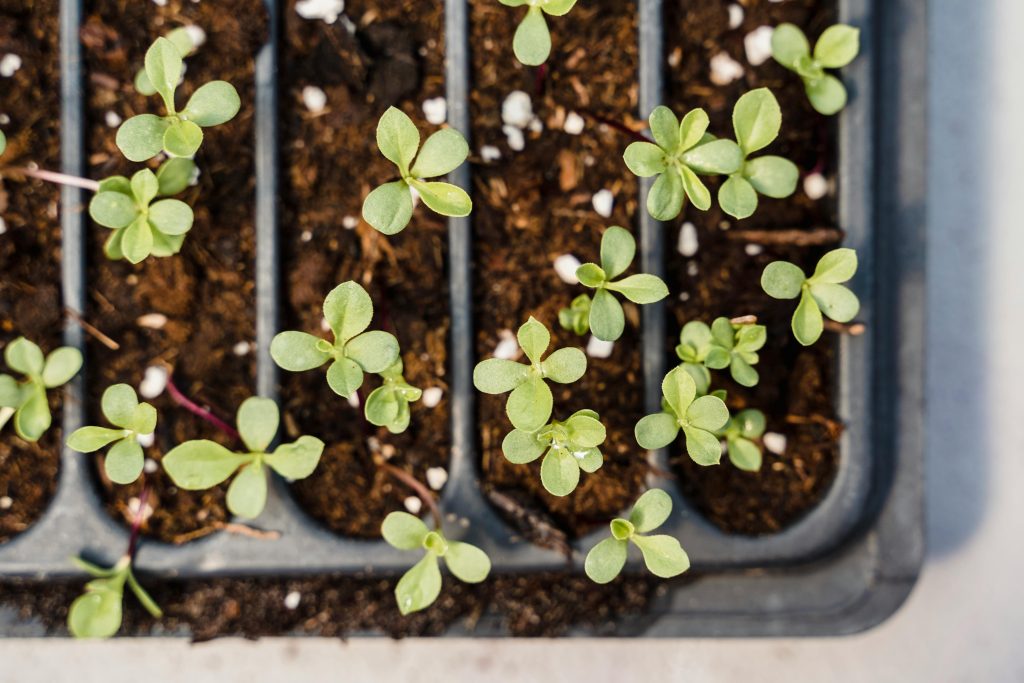
The most important thing you can do for seedlings when you’re getting them ready to go outside, and something people very often don’t do completely or even at all, is hardening them off. This means slowly getting them used to life outdoors over a period of seven to fourteen days. Plants started inside have very delicate cell walls, flimsy stems, and a thin waxy coating on the leaves for defense against the sun and wind. If you just put these fragile plants directly into a full day of sun and wind, they’ll get sunburned, dried out by the wind, and dehydrated, all within a few hours! To harden them off, you’ll put your seedlings outside for longer and longer times each day. You’d begin with two hours in a protected, shady spot, and over one to two weeks, increase this until they can be out all day. As they experience being outside slowly, they’ll actually change in structure: cell walls get thicker, stems become stronger, and that waxy leaf coating gets heavier, so they’re ready to live as transplanted plants.
2. Transplanting at the Wrong Time of Day
If you move young plants when the sun is at its strongest in the middle of the day, they get the most intense sun and lose a lot of water just when their roots (which have been messed up by the move) are at their worst for taking up any water. It’s much better to transplant in the late afternoon or early evening; the plant then has all the cool of the night to get over being uprooted and start growing into the new earth before it has to deal with the sun and heat of the next day. And transplanting on a cloudy day is even easier on the seedlings, because the weaker sunlight means they will be less stressed, no matter when you do it.
3. Not Watering Deeply Enough at Transplanting
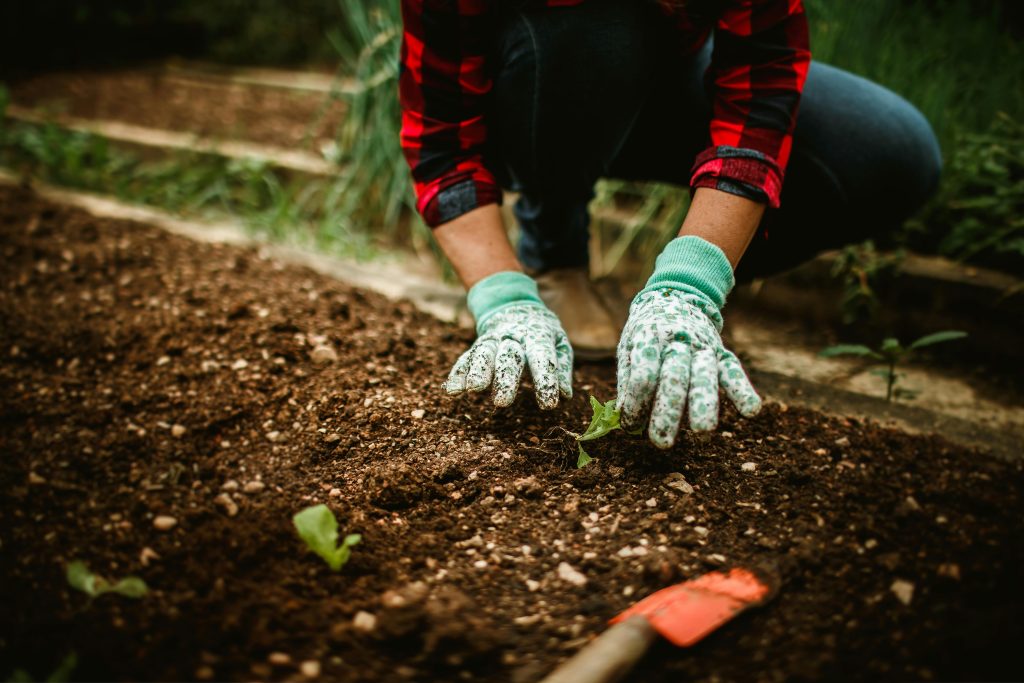
Just a little splash of water when you’ve put a new plant in the ground only gets the very top of the dirt wet. The original root-ball stays encircled by dry soil which then sucks the moisture from the roots. What you should do instead is water very well: completely soak the hole in the ground before you place the small plant in, and then water generously after gently patting the soil by the stem. This makes sure the earth around it is wet down at least six inches deep. This way, there’s no air trapped around the roots and they are immediately in moist soil.
4. Planting Too Deep or Too Shallow
When you’re putting out young vegetable plants, put them in the ground at the very same height they were in their pots; the point where the stem and soil meet should be at the same level as the ground. If you plant them too far down, you’ll get the stem surrounded by wet soil which leads to rot. But if they are too high, the upper part of the roots will dry out quickly in the air. Tomatoes are different though – they like being planted deeply. They will grow new roots all along any stem part that’s underground and this makes for a much bigger, healthier root system.
5. Fertilizing Immediately After Transplanting
Lots of people put fertilizer in the hole when they plant, or sprinkle it around the roots of a plant after they’ve moved it, but this often does more harm than help. Because you’ve broken or damaged the roots while transplanting, they are very easily burned by a lot of fertilizer. A newly transplanted seedling shouldn’t have any fertilizer for at least a couple of weeks, and many experts who work with plant advice say to wait three or four weeks. That gives the roots a chance to recover and start growing into the soil around them before they have to deal with fertilizer.
6. Ignoring Wind Exposure
People often don’t realize how much wind stresses little plants that have just been put in the ground. Even a fairly gentle breeze makes plants lose water through their leaves much faster, and at this point their roots aren’t yet good at getting water from the soil they’re now in. If you shield them from the wind for the first week after planting, you’ll save a lot of them, especially if your garden is open to the elements. You can do this with a floating row cover, a quick barrier made of stakes and burlap, or even five-gallon buckets turned upside down (though take the buckets away during the day).
7. Crowding Seedlings Too Close Together
It’s easy to see why you might want to squeeze your young plants a little closer together when you’re setting them out in the garden to get the biggest harvest possible. However, doing that actually works against you. As soon as they’re in the ground, plants packed too tightly start battling each other for water, for food in the soil, for sunlight, and for air to breathe. This struggle makes them get going more slowly, gives you less of a harvest from each plant, makes illnesses more common, and results in smaller, not very good looking fruit. If you stick to the amount of space suggested on the seed packet or the plant label, each plant will have what it needs to grow as much and as well as it can.
Key Takeaway
You can easily prevent the seven things people most often do wrong when transplanting plants: not getting seedlings used to outdoor conditions, doing it in the hottest part of the day, barely getting the roots wet, planting them too high or too low, feeding them right away, not thinking about the wind, and putting them too close together. Give seedlings a week to two weeks to slowly adjust to being outside, transplant in the late afternoon or evening, water really well so the whole root area is moistened, put plants in the ground at the right level, don’t fertilize for two or three weeks, shield them from wind for a bit, and give each plant the amount of space it needs to grow. Doing these things will give you a much, much better chance of your new plants living.
Leave a Reply