Nearly all of us who grow vegetables have been a bit alarmed to see our plants fall over during the hottest part of a summer afternoon. Their leaves get floppy, the stems bend, and the whole thing looks desperately thirsty. You’d think to grab the hose right away, wouldn’t you? But people who study how plants work suggest you shouldn’t rush. That drooping in the afternoon is one of the things most often misunderstood by home gardeners, and watering every plant that looks like this (which is what you’d likely do) very frequently causes overwatering. This causes much bigger problems than the quick droop you were trying to fix.
Knowing if the drooping is just a short-term thing because of heat, or if the plant is really dry, will help you do what’s right. You can safely do nothing about the harmless kind, but you’ll want to deal with a real lack of water before your plants are harmed permanently.
Temporary Wilt: A Normal Plant Response to Afternoon Heat
Lots of garden plants get rid of water through their leaves (this is called transpiration) more quickly than their roots can pull up new water from the ground on hot afternoons, especially when it’s over 85 degrees and the air isn’t humid. This causes a short-term shortage of water inside the plant, and the leaves and tender stems lose their firmness and start to sag. Importantly, this is not permanent; if there’s enough moisture in the soil, the plant will perk right back up by evening or the next morning, because it won’t be losing water as quickly and the roots will have supplied enough. This kind of wilting is what plants naturally do, and doesn’t mean you haven’t watered them enough.
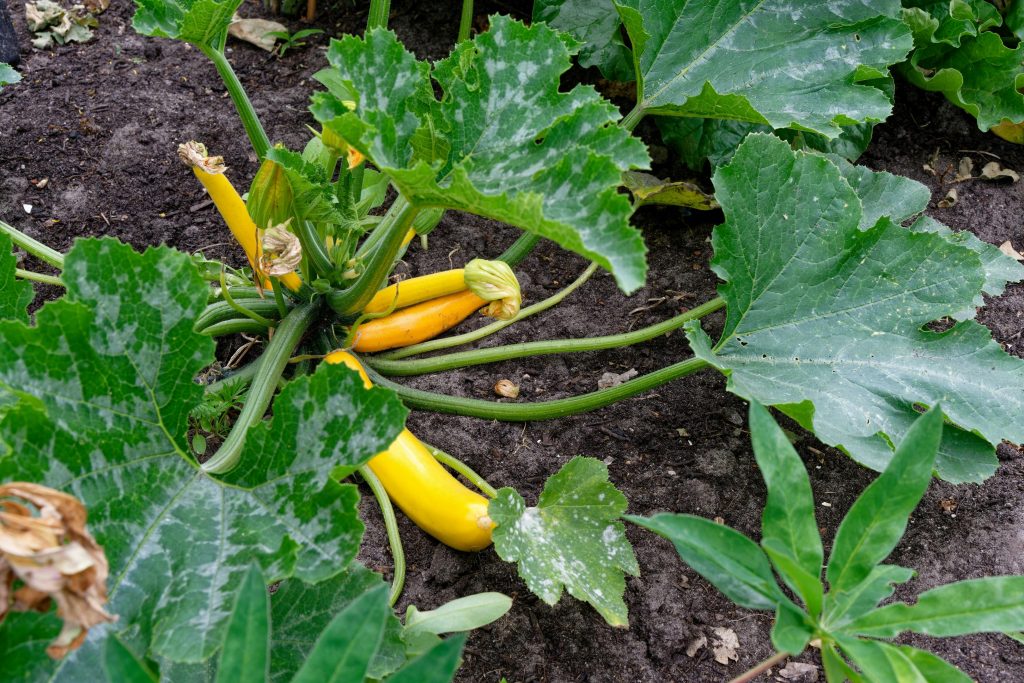
Plants with big leaves are especially likely to have this temporary afternoon slump as their large surface area loses water quickly. Squash, cucumbers, melons, beans are the vegetables most often affected, and gardeners are often worried into giving them water when they really don’t need it because of how much they suddenly droop in the middle of the afternoon.
The Morning Check: The Reliable Diagnostic
To tell the difference between plants just drooping a bit for a short time and actually being really thirsty from drought, the best thing to do is look at them first thing in the morning. Go to your garden before the sun gets strong and look at the plants. If they’ve bounced back completely overnight and look firm and standing up nicely, then they were only a little droopy yesterday afternoon and have enough water in the soil. You don’t need to water them. However, if they still look droopy when it’s cool in the morning, the soil is truly too dry and the roots aren’t getting enough water to them even when the plants aren’t asking for much. If this morning droop is happening, water them a lot and get it down deep, right away
True Drought Stress: Symptoms That Demand Action
If you understand what to pay attention to, you can tell the difference between a plant being truly in drought and just drooping for a bit in the afternoon. The easiest thing to notice is when the drooping doesn’t go away by morning. Also look for edges of leaves curling in, becoming dry and brown; a normal afternoon droop won’t make them turn brown. The older leaves will become yellow and fall off, as the plant sends water to the newer parts. And you’ll find that your fruit is smaller than it should be, or if you have cucumbers, they’ll taste bitter. When drought is really bad, flowers will fall off before any fruit form, and what fruit is there can split or get sunburnt because the leaves that used to provide shade aren’t doing their job.
Why Overwatering in Response to Afternoon Wilt Causes Problems
If the soil is already wet enough, but you water because your plants looked droopy at two in the afternoon, you’ll end up with water filling all the spaces around the roots, pushing out the oxygen. This creates a soggy situation where root rot and fungal diseases can flourish, and unbelievably, causes even more wilting because the damaged roots aren’t able to soak up any water. Many home vegetable gardens are ruined by this repeating problem: the plant wilts, you water it, the ground stays too wet, the roots rot, the plant gets even more wilted, then you water it again. To stop this, you need to believe what you see when you check the plants in the morning, not how they look after the hottest part of the day.
How to Reduce Afternoon Wilting Without Overwatering
You can lessen how badly plants droop in the afternoon (and it won’t require a lot of extra water). A nice, thick layer of mulch, three to four inches of straw or shredded leaves for example, will keep the soil much cooler and help the moisture around the roots stay at a pretty consistent level. Shielding plants from the strong afternoon sun with shade cloth, by planting them near something taller, or by putting them on the side of a fence or building that stops the western sun, lowers the heat and bright light which makes plants lose water quickly. And if you use drip irrigation at a set time each morning, the roots get the water when they’re best at soaking it up, and you’ll not get the soggy soil at night that causes fungal diseases.
Key Takeaway
When it’s hot, plants often droop by afternoon, but this is typically just them being temporarily affected by the heat, and doesn’t mean they require a drink. To find out if they really need water is easy: look at your plants first thing in the morning. If they’ve perked up, the soil has enough water and you can leave them be. However, if they are still drooping in the morning, the soil is actually too dry and they need a good, thorough soaking. Applying mulch, watering at the start of the day, and providing some shade in the afternoon can lessen this temporary droop without the danger of overwatering. Overwatering leads to root rot and then much worse drooping, and this begins a ruinous cycle.
Leave a Reply