Growing peppers at home is very satisfying; however, they’re also pretty fussy about their surroundings and even little changes in how you look after them can hugely affect how many peppers you get. A single pepper plant that’s cared for properly will give you between 50 and 100 smaller peppers throughout the season, or 15 to 25 of the larger bell pepper type. Lots of gardeners don’t achieve these amounts because of some common things they do that accidentally stop the plants from making fruit. Experts from agricultural colleges have figured out what makes a successful pepper plant versus one that doesn’t do so well, and the solutions mostly involve doing things a little differently in your gardening, not spending more money.
Start With Warm Soil — Peppers Will Not Tolerate Cold
Peppers originally come from the warmer regions of Central and South America and they really stop growing, lose their blossoms and won’t produce any peppers if the ground or air gets too cold. Lots of gardeners who are keen to get things planted right after the last frost mistakenly put pepper plants into soil under 65°F. This causes the pepper to be stuck being stressed and unable to grow for three or four weeks. For the pepper to start growing and making peppers right away, the soil at about four inches down should be 70°F and the temperature at night should reliably be over 55°F. If you live somewhere with a cool spring, warming the soil with black plastic sheeting for a fortnight before planting will speed things up.
Pinch Early Flowers to Build a Stronger Plant
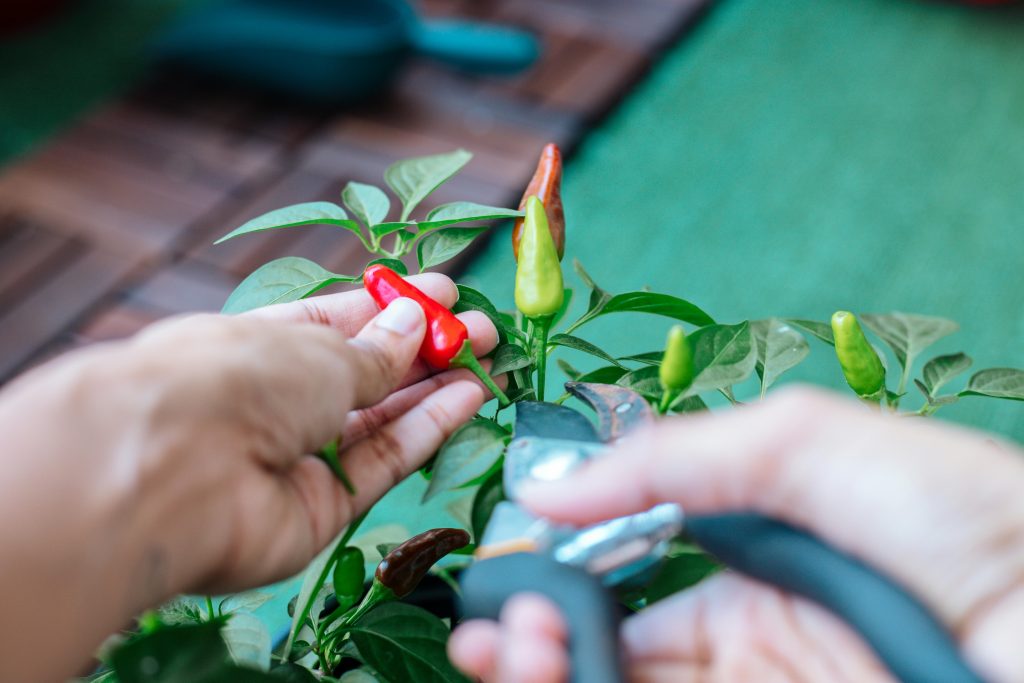
It seems strange, but getting a lot more peppers from your plants is often done by taking off the very first flower buds that show up on a newly planted pepper. This is known as ‘pinching’. By doing this, the plant puts the energy it would have used to make those first fruits into growing a bigger, stronger root system, a thicker main stem, and a bushier spread of branches. Because the plant is bigger and stronger overall, it can hold many more peppers growing at the same time later on in the season, and this will give you far more than those first few would have. Experts at agricultural colleges and universities advise taking off all flowers until the plant is twelve to fifteen inches tall; at this stage it’s developed enough support for a large crop of fruit.
Feed Correctly at Each Growth Stage
When peppers are growing their stems and leaves, which is for about four to six weeks after you put the plants in the ground, they do best with a fertilizer where the nutrients are fairly equal, but with a middle amount of nitrogen. But as soon as the plant starts to get flowers, you should change to a fertilizer with a lower first number and higher second and third numbers in the NPK listing. This encourages the plant to make flowers, then form and swell the peppers. In fact, if you keep using a fertilizer that’s full of nitrogen once the plant is making fruit, it’s a really typical reason for getting lots of leaves and no peppers; the plant will grow a big, healthy green bush but won’t put its energy into making the actual fruit.
Harvest Frequently to Keep the Plant Producing
When you let peppers fully ripen on the plant, the plant thinks it’s done its job of making more peppers and will start to make fewer flowers and fruits. But if you pick peppers as soon as they’re big enough to use, most of the time when they’re green for cooking, or just as they are beginning to change color for a sweeter taste, the plant will keep on producing all season. Taking them off regularly is especially good for lots of pepper types – jalapeños, serranos, banana peppers for example – as they can have loads of peppers growing at once, and will really slow down at making more if you don’t get the ones that are there.
Provide Consistent Water Without Overdoing It
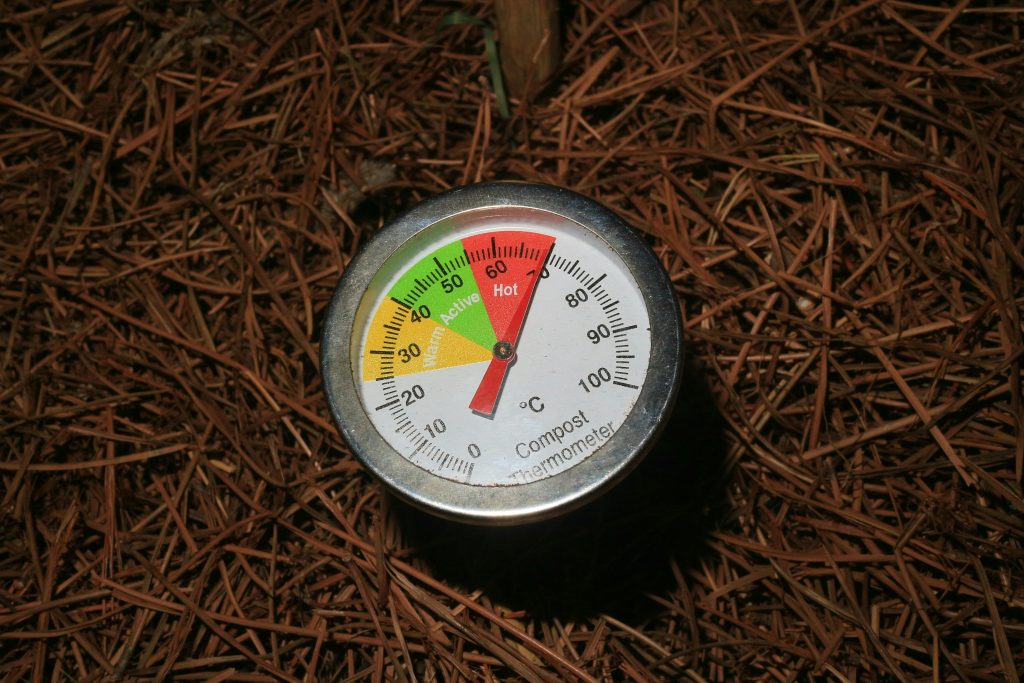
Peppers do best when the soil is regularly and fairly damp; aim for about one to two inches of water each week. You can get this water to them using drip irrigation or by being careful to water at the very bottom of the plant. If you let the soil get really dry and then suddenly flood it, or go back and forth between these extremes, you’ll get blossom end rot, flowers will fall off, and your peppers won’t grow to a good size. But giving them too much water will cause the roots to rot and also makes it harder for fruit to actually develop. Putting three to four inches of straw or broken-down leaves around the plants as mulch will help the soil stay at an even moisture level between waterings, and you won’t have to water quite as often on very hot days.
Key Takeaway
To get the most peppers you can, the soil needs to be nicely warm (at least 70 degrees) when you put the plants in. You should also remove the very first flowers that appear, so the plant gets stronger. Then, when it starts to flower, change your plant food to one that has more phosphorus and potassium, rather than nitrogen. Pick the peppers often to keep the plant making more, and keep the soil steadily moist with a drip irrigation system and by using mulch. Doing all of this generally means you’ll get two or three times as many peppers as you would if the soil and sunlight were the same, but you hadn’t made these changes to how you look after the plants.
Leave a Reply